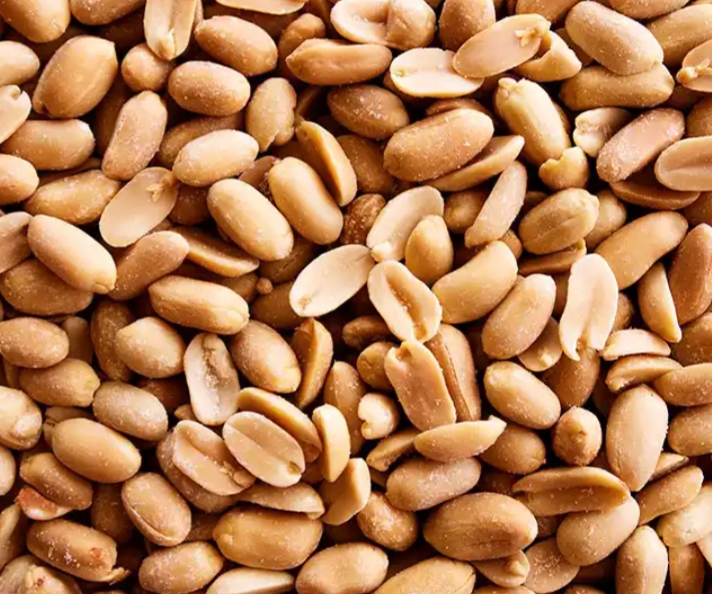
Peanuts (Arachis hypogea) are rich in essential nutrients with several health benefits. They are also known as groundnuts, goobers, and earth nuts and are usually consumed roasted or in their raw form. Peanuts are high in calories and contain all the 20 amino acids, the most abundant of them being arginine which stimulates the immune system. Furthermore, they are rich in several vitamins, minerals, and plant compounds that are used to treat many ailments. Peanuts may promote heart health, aid weight loss, prevent gallstones, and help in blood sugar control. Peanuts are an especially good source of healthful fats, protein, and fiber. They also contain plenty of potassium, phosphorous, magnesium, and B vitamins. Despite being high in calories, peanuts are nutrient-rich and low in carbohydrates.
Vitamins: vitamin B-3 (niacin); vitamin E (alpha-tocopherol); vitamin B-1 (thiamine); vi…
Fats: monounsaturated fats; polyunsaturated fats; saturated fats
Macronutrients: protein; carbohydrate; fiber; sugars
Minerals: potassium; phosphorous; magnesium; calcium; sodium; iron; zinc.
Peanuts help prevent heart disease by lowering cholesterol levels. They can also stop small blood clots from forming and reduce your risk of having a heart attack or stroke. Foods with a lot of protein can help you feel full with fewer calories.
The recommended daily servings are a handful of peanuts (1-2 ounces depending on your size) or 2 tablespoons of peanut butter. magnesium were also significantly elevated.
So, is it safe to eat peanut every day? The short answer is yes*. You can have great health benefits from eating peanuts each day.
Peanuts can be a great addition to a plant-forward lifestyle.
Nutrition Facts
Amount Per 100 grams
Calories 567
% Daily Value*
Total Fat 49 g
75%
Saturated fat 7 g
35%
Cholesterol 0 mg
0%
Sodium 18 mg
0%
Potassium 705 mg
20%
Total Carbohydrate 16 g
5%
Dietary fiber 9 g
36%
Sugar 4 g
Protein 26 g
52%
Caffeine 0 mg
Vitamin C
0%
Calcium
9%
Iron
25%
Vitamin D
0%
Vitamin B6
15%
Cobalamin
0%
Magnesium

 Healthy Living